

The fractured society
There is a general impression, whether true or not, that the UK is now a fractured society with widespread discourtesy, too easy a resort to casual violence, to theft (including shoplifting) and a readiness to feel insulted and abused by any form of criticism.
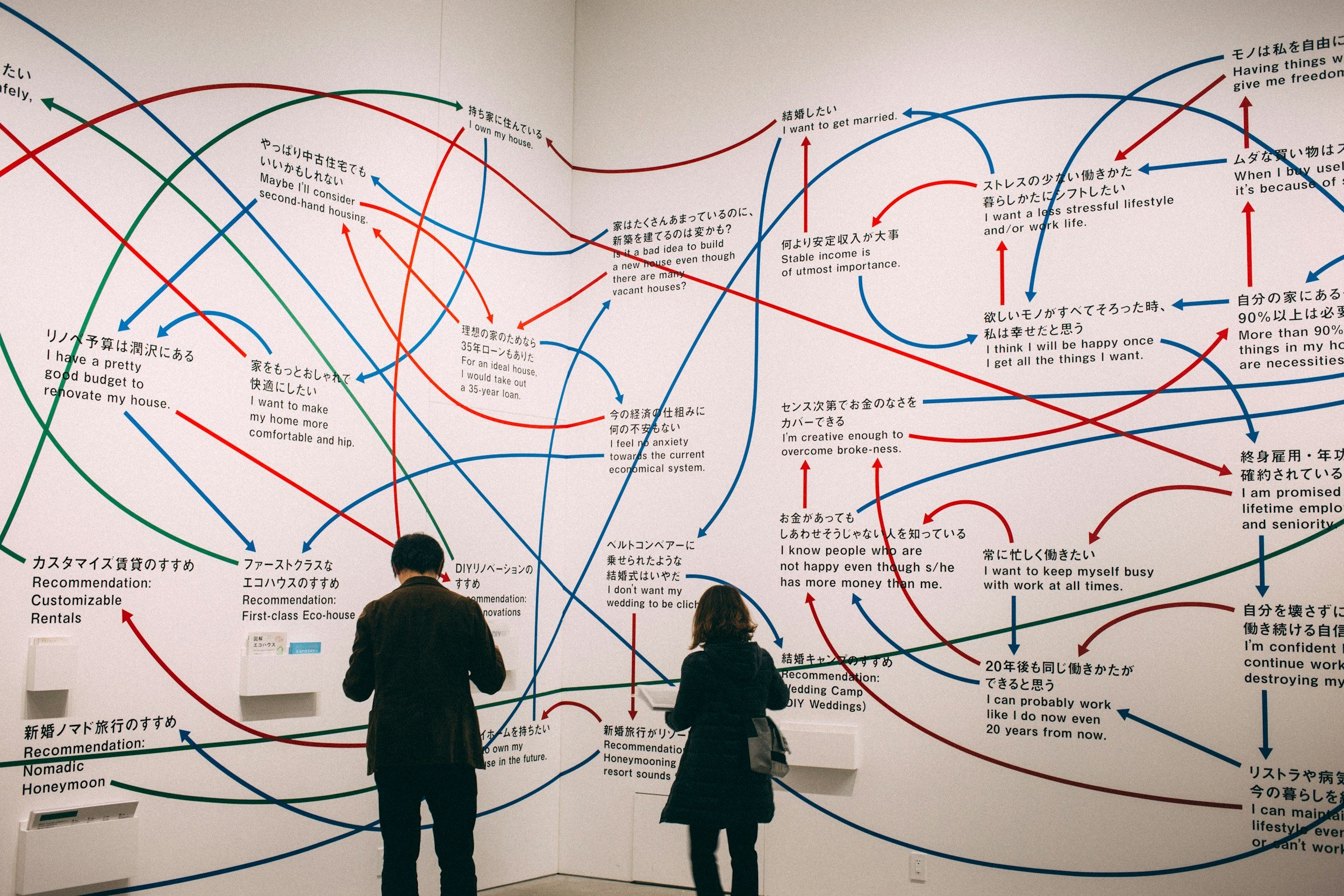
But even companies plan therefore so can the State!
That headline being, roughly, the message coming from Grace Blakeley. Big corporations plan things so the state can too - it is, after all, just fewer planners, right?

Fewer staff, longer waits
The ASI team have been comparing notes about what they notice is slower service in pubs and restaurants.

More power to your elbow, Madam
Rebecca Renard-Wilson has stopped shopping at Target and all things Amazon including Whole Foods and Amazon Fresh.


Don’t increase the steepness of the taper
One of the problems - one, note - this country faces is the marginal tax and benefits withdrawal rate faced as anyone works their way up out of poverty.

Let’s make the country poorer!
One of those rallying cries which we don’t think would gain all that much support if people understood it.

Edwin J Feulner Jr
We at the Adam Smith Institute are saddened by the death of Edwin J Feulner Jr, one of the leading intellectual organisers behind America’s conservative movement, who led the Heritage Foundation for 37 years.

Poe’s Law becomes ever more expansive
Poe’s Law: without a clear indicator of the author's intent, any parodic or sarcastic expression of extreme views can be mistaken by some readers for a sincere expression of those views.

It’s the howling ignorance that is so painful
Tax them, tax them over there to pay for what we want!

AI Prospects
AI is becoming the story of the decade. Past industrial revolutions have featured water, steam, railways, electricity, internal combustion engines and computers.

Must subsidise demand. Must subsidise demand
Red tape is a “boot on the neck of businesses” and risks undermining the UK’s dash for growth, Rachel Reeves has said.