
Palantir’s weird tax trick - paying the staff
Palantir paid just £2m corporation tax in UK in 2024 despite lucrative public sector contracts
That someone tries to measure how useful the producer of something is by their tax payments - rather than the value of their output - is deeply weird in itself. No, really, weird. What would anyone prefer - that Palantir charge more for its services, so increasing profits and tax payments but also, obviously, draining the Treasury by that greater amount?
This though is comic:
Software group benefits from global systems and accounting practices ‘that enable tax to be shirked’, says union boss
A union boss complaining about the staff being well paid now, is it? And, yes, in fact it is:
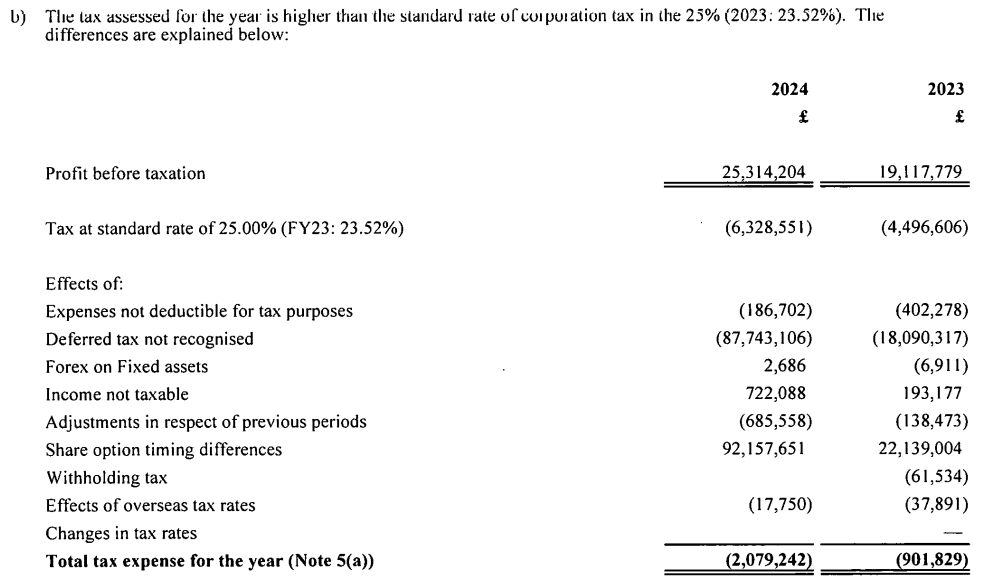
The way corporate accounting works. The profits declared are, in this British system, before the costs of paying out shares to the staff. Yet, in this techbro world, paying the staff some shares is a normal cost of doing business. Everyone does go to work for BitTech in order to get shares in the company they work for. As a wider issue we all like the idea that the workers get to own - a part of at least - the means of production. But our accounting systems count profits before that cost. Our taxation system - correctly - counts those shares as a cost. So, the declared profit is greater than the taxable profit.
Palantir pays its staff well, partly in shares. That’s it, that’s the one weird trick. They pay the staff well.
British political discourse is so perverted that this is seen as a problem.
Do note, of course, that the tax paid by the staff on the shares they receive is greater - over twice in fact - what would be paid by hte company if they didn’t bother and just kept the profits.
Another way in which Palantir cuts its tax bill is by granting share options to staff. The company can reduce what it owes by the amount the shares are worth when they vest. Employees are liable for income tax on their share options, often at higher rates, but the use of shares rather than cash to pay staff shifts the tax burden from the company to its employees.
They actually state this. But also seem to be claiming that this is a problem.
The entire complaint is just such a weird perversion. How did we end up with people believing this sort of thing?
Tim Worstall