
A pivotal by-election: the issues raised relating to markets and regulation
I was born and raised in Makerfield. My father had a ‘proper job’: he was a coal miner.
Makerfield is now the centre of media attention because a by-election is being held on Thursday, 18 June. There are a total of 14 candidates, including the current mayor of Manchester, Andy Burnham.
Andy Burnham has been highly critical of what he refers to as neo-liberal free-market policies and deregulation. In his role as mayor of Manchester, he has effectively renationalised buses and the tram network. He is also seeking to regenerate the city through a raft of policies aimed at tackling employment issues, housing and homelessness.
He refers to this as adopting ‘Manchesterism’ across the country. This spells a fresh wave of nationalisation because Burnham does not trust the market to deliver.
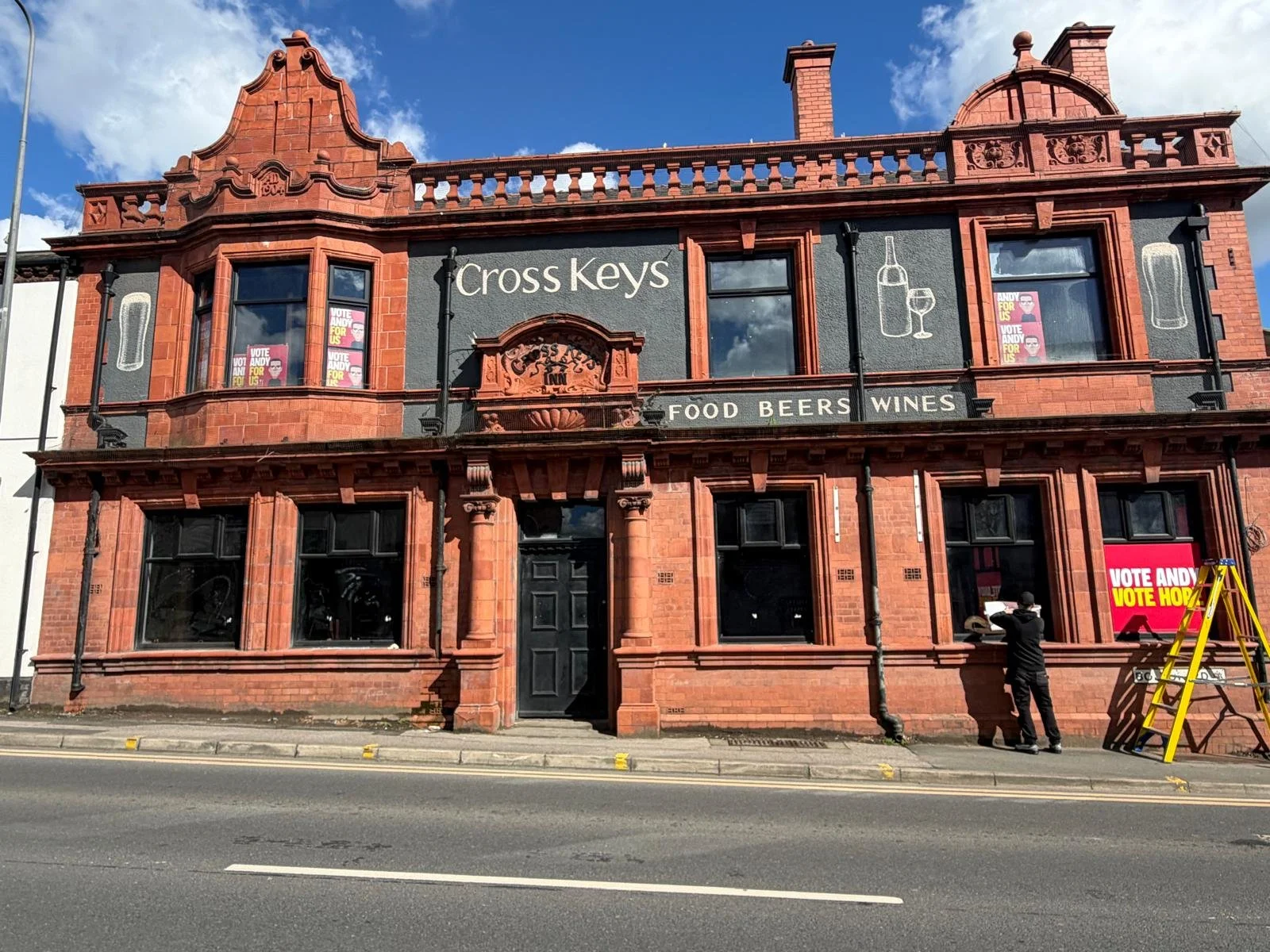
Countless pubs, including this one, have closed as a result of this Labour governments tax, regulation and employment policies. I doubt whether Andy Burnham will offer a solution.
However, this approach is misconstrued. All too often, the market has not been allowed to work because it is shackled by regulation. Planning and housing are a case in point. Highly restrictive planning policies, exemplified by the ‘green belt’, constrain building and have led to soaring house prices, rents and homelessness.
Strolling through Ashton-in-Makerfield this week, I was struck by the number of boarded-up pubs and shops—a testament to the highly damaging employment regulations and minimum-wage rules that have obliterated employment opportunities, particularly in the hospitality sector.
Makerfield used to be known for its coal mines (my own father, a mining engineer, was responsible for managing them), its textile mills and its heavy engineering. These industries have now all disappeared, yet little has sprung up to replace them because of repressive government legislation and regulations that deter enterprise and prevent the market from operating.
Relaxing planning rules and encouraging the building of housing and social infrastructure could transform Makerfield and establish the area as a beacon of prosperity, located equidistant between Manchester and Liverpool.
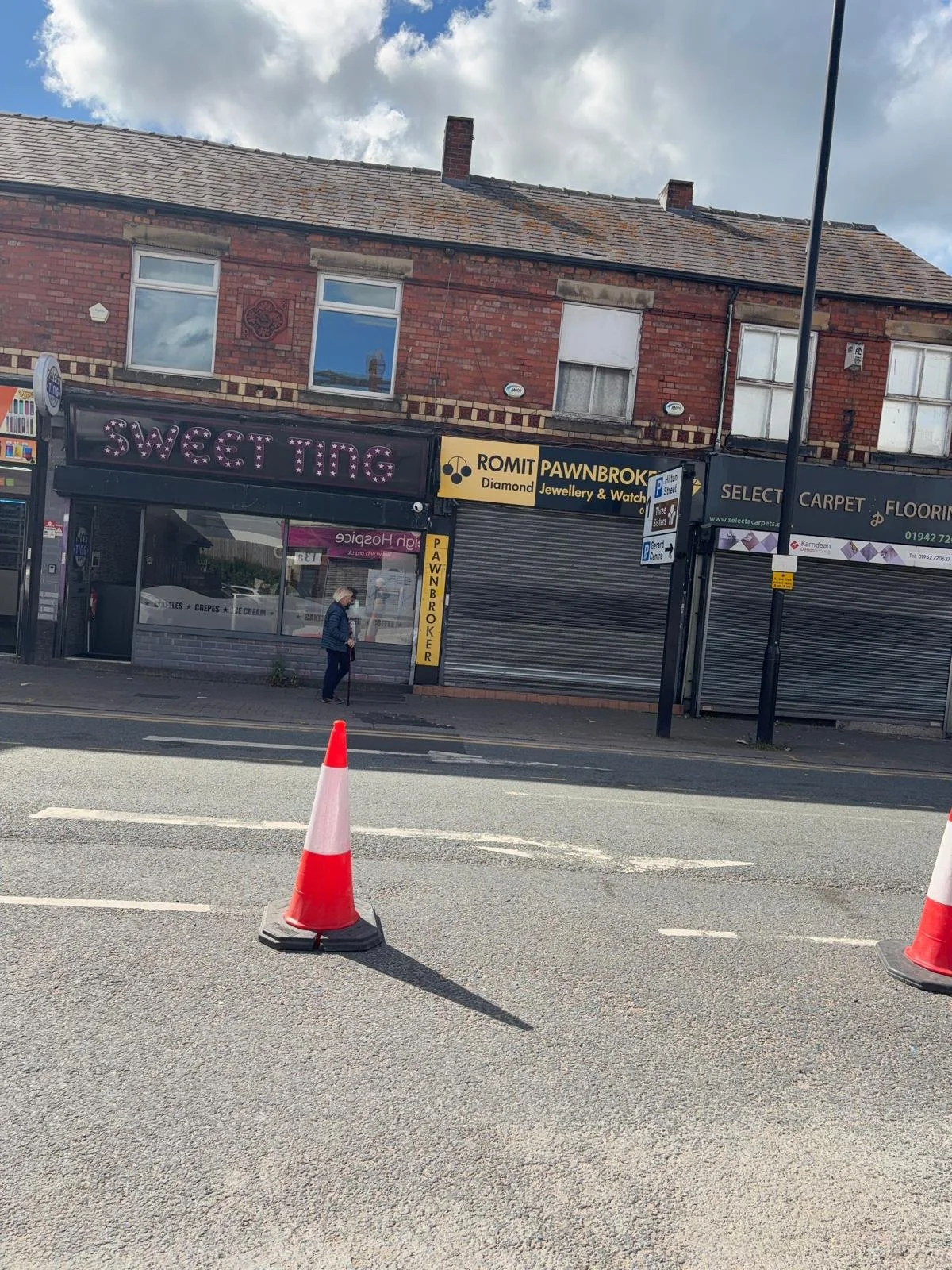
Even the pawnshop is now closed in Makerfield.
The town already boasts significant attractions, such as Haydock Park Racecourse. These leisure facilities need to be encouraged by allowing the market to develop them.
Manchesterism, with its pledge to nationalise, regulate and intervene in the market, jeopardises prosperity and merely builds up colossal debts—exemplified by the rash of high-rise luxury apartment buildings that now dominate the Manchester skyline.
These skyscrapers offer little ‘affordable’ housing (less than five per cent) and have been snapped up by buyers and renters mainly from overseas—typically the parents of Chinese students at the metropolis’s universities.
Yet the Greater Manchester Combined Authority, headed by Mr Burnham, has been forced to defend its programme of housing subsidies because the lion’s share has been allocated to just one single developer of high-rise luxury apartments—Renaker—whose boss, Daren Whitaker, took up residence in Monaco last year, where his estimated £680 million personal fortune would not be within reach of HMRC.
Renaker’s competitors have taken this issue to the Court of Appeal, claiming that the Greater Manchester Combined Authority has unlawfully subsidised these luxury developments, built by one preferred developer, namely Renaker.
It will be instructive to see how the Court of Appeal rules in this high-profile legal dispute centred on ‘Manchesterism’ in practice.
Keith Boyfield