Perhaps “The 1976 Consensus”?
We might need a little help here for that title might not quite work - we understand there’s a popular beat combo that could be confused with. But the idea itself works we think.
So, think of The Washington Consensus. This was - is - said to be that imposition of vile neoliberalism upon the poor of the world. Starting in about 1980 or so, everyone ganged up on said poor and insisted that this is the way it must be done.
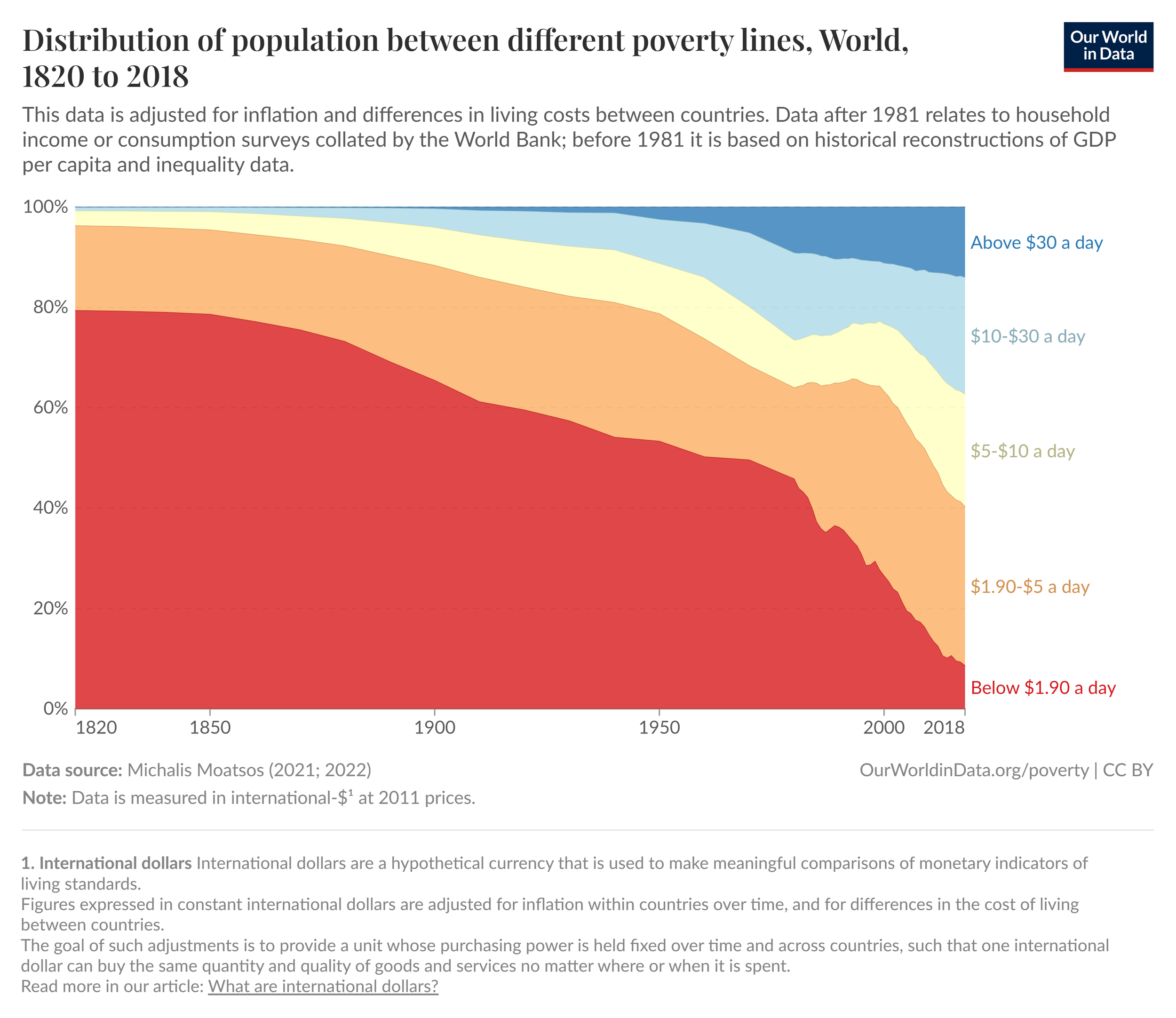
That worked then. Of course the Washington Consensus was not, in fact, a prescription to impose anything at all. It was, rather, a list of 10 stupid things you should not do to an economy. So, don’t do those things - however beloved of politicians and socialists - and the economy will improve. People stopped, to at least some extent, doing those stupid things and economies grew. It worked.
So this 1976 variant:
As the half-century anniversary approaches, the question is surely this: can we ignore the parallels between Britain in 1976 and in 2026?
The confidential memo sent by IMF staff to its executive board recommending the bailout package – which is now available in the fund’s archives in Washington – makes several points that seem very familiar. “For a number of years now, the growth in public expenditure has been very rapid and has led to a very sharp increase in the public sector borrowing requirement,” it cautioned.
The memo goes on to warn against the “disincentive effects of very high marginal rates of taxation” and the “tendency of successive governments to support or nationalise faltering private enterprises.” And it argued that “for many years, the British economy has been characterised by a low rate of growth, reflecting fundamentally a rate of productivity growth far below that in most other industrial countries.”
It all sounds depressingly familiar.
Indeed it all is depressingly familiar. Fortunately we have history to guide us. Stop doing those stupid things and the economy will improve. So, let us stop doing those stupid things.
One of those little reasons we know that economics is a science. When we rerun experiments we get the same answer. So, you know, let’s run the experiments which lead us to the right answer, eh?
Tim Worstall