
 Image 1 of 1
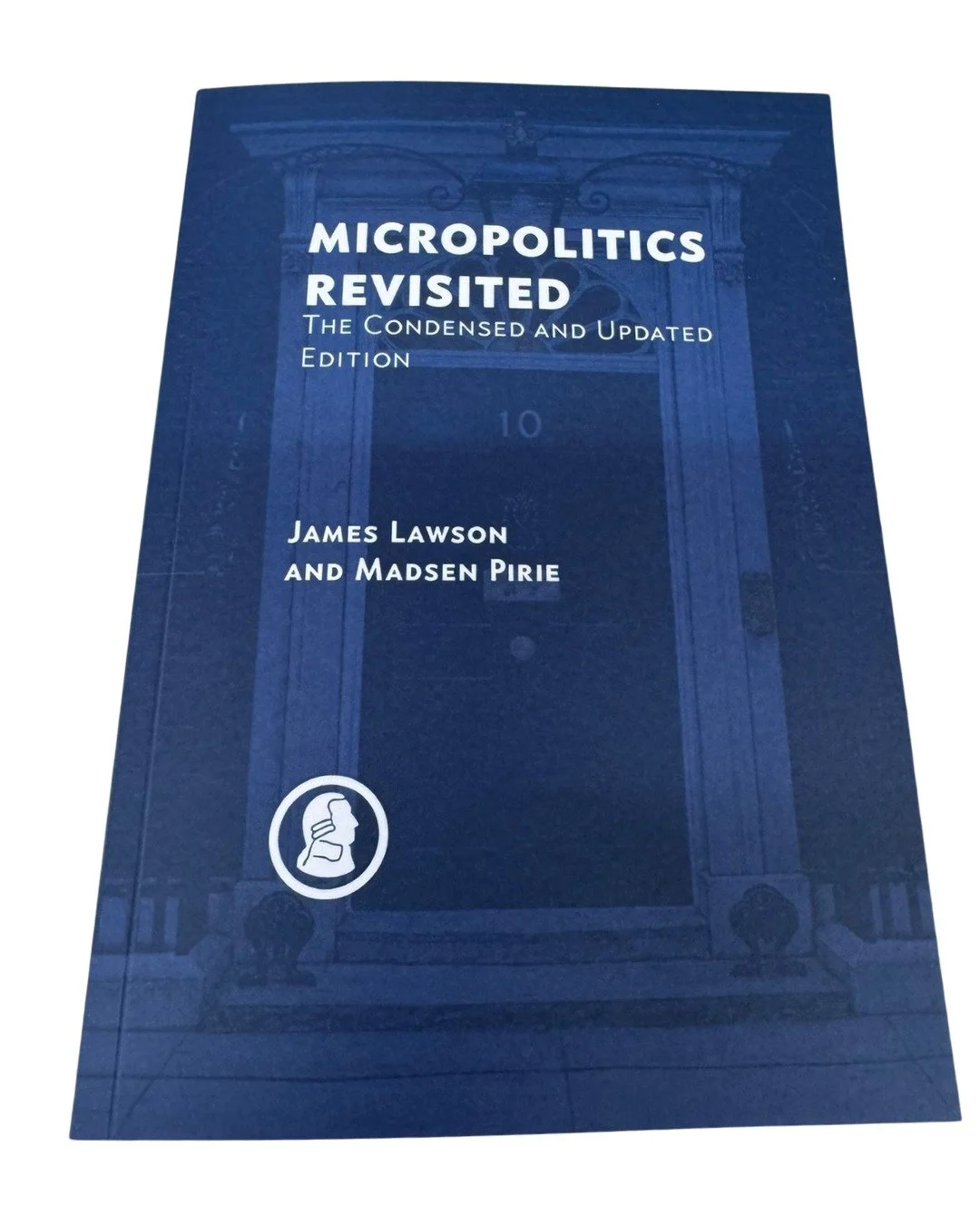
First published in 1988, Micropolitics became a quiet classic among reformers who understood that being right is not enough. Ideas do not implement themselves. Governments fail not for lack of conviction, but for lack of technique. This newly condensed and updated edition revives Dr. Madsen Pirie’s original insight for a very different political age—one marked by stagnation, regulatory overgrowth, and an increasingly unresponsive state.
Rather than grand plans or ideological exhortation, Micropolitics Revisited sets out the craft of policy engineering: how to dismantle entrenched interests, work with incentives rather than against them, and achieve lasting reform through incremental, tactical change. Drawing on public choice theory, historical case studies, and decades of policy experience, it explains why sweeping reforms so often fail—and how smaller, smarter interventions succeed.
Edited and revitalised by James Lawson, this edition speaks directly to a new generation of policymakers, advisers, and reformers. Sharpened for the modern attention economy and expanded to cover developments from 1989 to the present, it remains what it always was: a practical guide to turning market ideas into political reality.
For anyone serious about changing how the state works—rather than merely talking about it—this book remains indispensable
First published in 1988, Micropolitics became a quiet classic among reformers who understood that being right is not enough. Ideas do not implement themselves. Governments fail not for lack of conviction, but for lack of technique. This newly condensed and updated edition revives Dr. Madsen Pirie’s original insight for a very different political age—one marked by stagnation, regulatory overgrowth, and an increasingly unresponsive state.
Rather than grand plans or ideological exhortation, Micropolitics Revisited sets out the craft of policy engineering: how to dismantle entrenched interests, work with incentives rather than against them, and achieve lasting reform through incremental, tactical change. Drawing on public choice theory, historical case studies, and decades of policy experience, it explains why sweeping reforms so often fail—and how smaller, smarter interventions succeed.
Edited and revitalised by James Lawson, this edition speaks directly to a new generation of policymakers, advisers, and reformers. Sharpened for the modern attention economy and expanded to cover developments from 1989 to the present, it remains what it always was: a practical guide to turning market ideas into political reality.
For anyone serious about changing how the state works—rather than merely talking about it—this book remains indispensable